
Table of Contents
Navigating the Global Seas: Your Complete Guide to Sea Containers
Ever wonder how the gadgets in your pocket, the clothes on your back, or the furniture in your home traveled thousands of miles to reach you? The unsung hero behind this global journey is often the humble sea container. These massive, steel boxes are the backbone of international trade, moving over 90% of the world’s goods across oceans. But what exactly goes into shipping them? Whether you’re a business owner looking to export from USA to worldwide destinations or a consumer curious about how your products arrive, this guide breaks down the complex world of sea freight into simple, human-friendly terms.
Understanding the Heart of the Journey: What is a Sea Container?
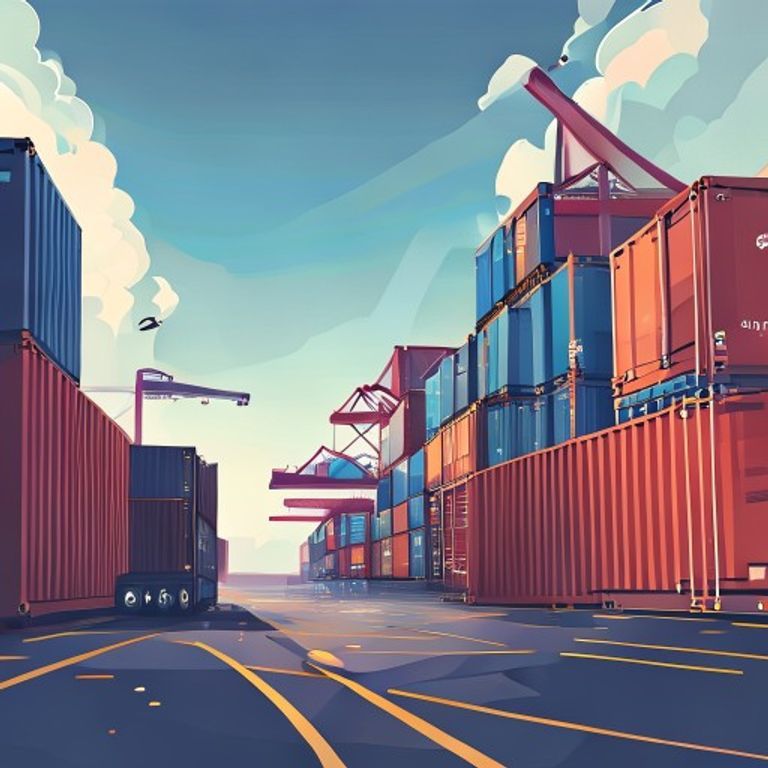
At its core, a sea container is a standardized, reusable steel box. Think of it as the world’s most robust and frequently traveled suitcase. These containers come in standard sizes, primarily 20-foot (TEU) and 40-foot (FEU) lengths, designed to be easily loaded and unloaded by cranes, stacked neatly on ships, and transferred seamlessly between ships, trains, and trucks.
The magic of this system is its universality. Because a container in Shanghai fits perfectly on a ship bound for Los Angeles, it eliminates the need to unload and repack goods at every stop. This efficiency is what keeps the costs of global trade relatively low and allows for the “global village” we live in today. When you use a sea freight calculator to estimate costs, you are essentially pricing the journey of one of these containers.
Harnessing Technology: The Role of the Sea Freight Calculator
Planning a shipment can feel overwhelming. With fuel prices, port fees, and transit times constantly fluctuating, how do you get a reliable quote? This is where the sea freight calculator becomes an indispensable tool.
A sea freight calculator is not a perfect crystal ball, but a sophisticated digital tool that uses current market data to provide you with an estimated cost. You simply input key details like:
- Origin & Destination: From a port in California to a port in Germany, for example.
- Cargo Details: The weight and volume of your goods. This determines if you need a Full Container Load (FCL) or a Less than Container Load (LCL).
- Service Type: Whether you need the speed of air freight or the affordability of sea.
For anyone looking to export from USA to worldwide destinations, using a calculator early in the process is crucial. It allows you to price your products competitively on the international market and avoid nasty financial surprises. It demystifies the logistics, putting you in the driver’s seat of your supply chain.
The Export Roadmap: How to Export from USA to Worldwide Destinations
Ready to sell your American-made products to the world? The process of export from USA to worldwide destinations involves several key steps. It’s a journey from your warehouse to a foreign customer’s doorstep.
Step 1: Preparation and Documentation
Before your goods even touch a dock, you need the right paperwork. This includes a commercial invoice, a packing list, and a bill of lading. You must also classify your goods with a Harmonized System (HS) code, which determines the duties and taxes for your destination country. Don’t forget to ensure your products comply with the foreign market’s safety and labeling regulations.
Step 2: Booking Your Container
Using your sea freight calculator, you can decide between FCL and LCL. With FCL, you rent the entire container, offering more security and often a lower price per unit for large shipments. With LCL, you share container space with other shippers, which is ideal for smaller, more frequent shipments. Once booked, your cargo is transported to the port of consolidation.
Step 3: The Ocean Voyage
This is the core of the journey. Your container is loaded onto a massive cargo ship and begins its voyage across the Atlantic, Pacific, or any ocean connecting the USA to your target market. While this is the slowest part of the journey, it is also the most cost-effective way to move large volumes of goods. Tracking technologies are now so advanced that you can often follow your container’s progress in real-time.
The Import Journey: How to Import into USA from Worldwide Destinations
The flow isn’t one-way. The USA is also a massive market for goods produced internationally. If you are looking to import into USA from worldwide destinations, you are navigating the process in reverse.
The key difference with importing is the focus on compliance and customs clearance. Your shipment will arrive at a US port, where it will be inspected by customs officials. You will need to pay import duties and taxes, which are calculated based on the HS code and the value of the goods. Partnering with a reliable customs broker can simplify this process significantly, ensuring your container clears customs without delay and gets released to its final destination.
Frequently Asked Questions (FAQs)
How long does it take to ship a sea container?
Transit times vary greatly depending on the destination. A shipment from the US East Coast to Europe typically takes 2-4 weeks, while a route to Asia might take 3-5 weeks. Always build in buffer time for your planning.
What’s the difference between FCL and LCL?
FCL (Full Container Load) means you pay for and use an entire container. It’s faster and more secure. LCL (Less than Container Load) means you share a container with other shippers’ goods, which is more affordable for smaller shipments but takes longer due to multiple loading and unloading points.
Are sea containers secure?
Yes, sea containers are highly secure. They are made of thick steel and are sealed with a unique high-security lock. The risk of tampering during the long ocean voyage is very low, making them ideal for valuable goods.
Can I track my sea container in real-time?
Absolutely! Most major shipping lines and freight forwarders provide online tracking systems. You can see the exact location of your container and its expected arrival time, providing peace of mind throughout the journey.
Ready to Ship Your World?
Whether you’re a first-time exporter or a seasoned importer, understanding the fundamentals of sea containers is the first step to success. Use the knowledge you’ve gained to confidently plan your next shipment.
Pro Tip: Always get quotes from multiple logistics providers and factor in the use of a sea freight calculator into your budgeting. The market is dynamic, and being informed is your best defense against rising costs.